When your standard janitorial work does not meet your facility’s risk level, it is time to consider commercial disinfectant cleaning services. This type of service helps protect occupant health, maintain operational uptime, and satisfy tenant expectations. For offices, multi-tenant properties, and government facilities, a proper disinfection service also helps limit liability.
Not every local commercial cleaning company offers the same quality or scope of work. Some disinfection services only treat high-touch surfaces, while others may quote for whole building cleaning or electrostatic services without clear, provable methods. Providers like The Wilburn Company build their programs around documented protocols, EPA-registered products, and measurable outcomes, giving facility managers a reliable standard to evaluate against.
A good vendor review process starts with evaluating their protocols, the products they use, their compliance record, and their pricing structure. This approach makes it easier to compare different commercial cleaning services and choose a partner with less risk and fewer surprises.
What is commercial disinfectant cleaning, and when to use it?
Commercial disinfectant cleaning services are a step above standard janitorial work. Routine cleaning removes dirt and dust from surfaces. A commercial disinfection service uses specific EPA-registered products and proven methods to target and inactivate pathogens on high-touch surfaces. The EPA maintains several lists of registered disinfectant products that meet specific efficacy standards against viruses, bacteria, and emerging pathogens. When selecting products, facility managers should confirm that the disinfectant is registered for the specific pathogens relevant to their building’s risk profile and that it is used according to label directions.
Targeted vs. whole-facility disinfection
You can choose a targeted approach that focuses on high-risk areas like restrooms, kitchens, elevators, and conference rooms. You can also opt for whole-facility disinfection, which treats every space in response to an outbreak, an audit, or a specific tenant health concern. The correct choice depends on your building’s specific traffic patterns and risk factors.
Common triggers for scheduling commercial disinfection services include:
- Confirmed illness outbreaks
- A noticeable increase in staff absenteeism
- Direct requests from tenants or property managers
- Upcoming compliance audits or inspections
- Seasonal spikes in illnesses like the flu
This type of service adds significant value in shared offices, multi-tenant buildings, and government facilities. Spaces with sensitive occupants or high foot traffic benefit the most. High-touch areas such as door handles, elevator buttons, and breakroom appliances are primary targets for these applications.
It is important to set realistic expectations. Disinfectant services are designed to reduce risk, not to guarantee a completely sterile environment. The main goal is to lower the potential for exposure to viruses and bacteria. Documented protocols, correct product dwell times, and clear service records help you track these outcomes and meet both regulatory and tenant expectations.
Cleaning vs sanitizing vs disinfecting: avoid gaps in coverage
In facility management, these three terms have distinct meanings. Understanding the difference is key to ensuring you get the coverage your facility needs.
Cleaning removes visible dirt, soil, and debris from a surface. The result is a visually clean surface that is prepared for sanitizing or disinfecting. Cleaning alone does not kill pathogens, but it is a necessary first step because residue can block disinfectants from making full contact with the surface.
Sanitizing lowers the number of bacteria on a surface to levels considered safe by public health standards. It reduces bacteria but does not kill most viruses. Sanitizing is common in food preparation areas but is not sufficient on its own for environments where viral transmission is a concern.
Disinfecting kills or inactivates both viruses and bacteria on a surface. The result is a surface with significantly reduced pathogen risk. Disinfecting requires the use of EPA-registered products applied according to label directions, including the correct dwell time.
The key takeaway for facility managers is that these three steps serve different purposes and are not interchangeable. A vendor that only “sanitizes” your facility is not providing the same level of protection as one that follows a full clean-then-disinfect protocol.
Why cleaning first matters
Cleaning a surface before disinfecting it is a critical step. Dirt, grease, and other residues can act as a barrier, preventing the disinfectant from making full contact with the surface. This barrier can make the disinfectant less effective. By cleaning first, you ensure the product can work as intended.
High-touch vs general surfaces
High-touch points require consistent and focused attention. These include door handles, light switches, elevator buttons, restroom fixtures, and shared office equipment. General surface cleaning is for areas with less frequent contact but is still important for overall building hygiene.
Product dwell time and label directions are non-negotiable rules for effective disinfection. Every disinfectant product has a specific amount of time it must remain wet on a surface to be effective. Skipping this step or using an incorrect sequence of methods will reduce the service’s effectiveness.
Scope of service: high-touch surfaces, restrooms, shared areas
A well-defined scope of service ensures that every important space and touchpoint in your facility is addressed. The service should map out key areas like entrances, elevators, lobbies, and conference rooms, which often have the highest hand traffic. Kitchens, break areas, and shared dining tables also need routine, detailed attention.
Restrooms and shared equipment
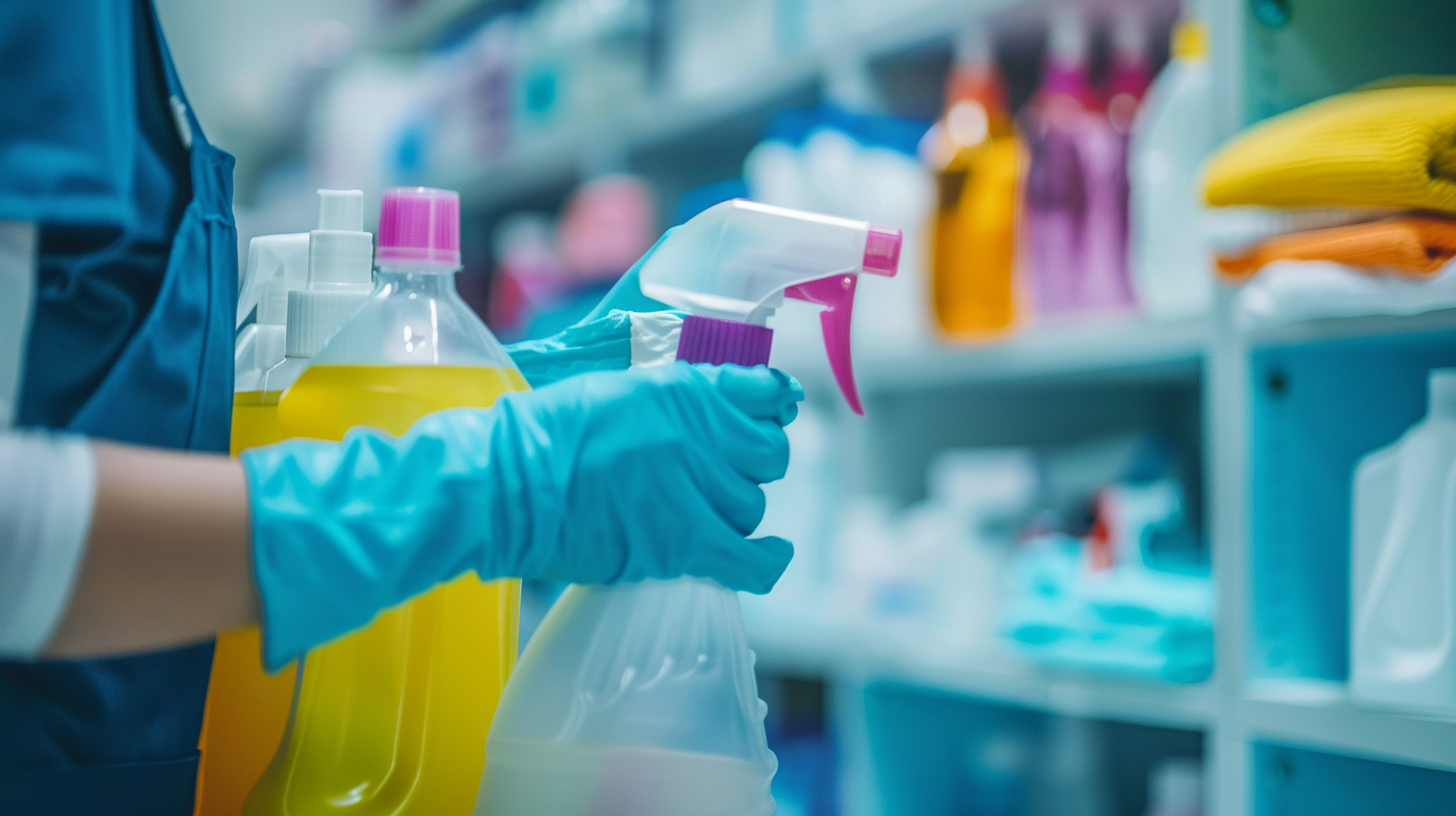
Restroom protocols require a detailed focus on stall handles, faucet levers, flush buttons, and dispensers for soap and paper towels. Keeping these supplies replenished is also a key part of an effective disinfection program. Shared equipment, including printers, phones, and breakroom appliances, can transfer risk between different users and shifts if not properly treated.
Floors and soft surfaces, such as carpets or upholstered furniture, may require special cleaning methods. Not every disinfectant is suitable for every material, so a qualified provider will specify where specialty products or additional steps are necessary.
You should expect to receive clear deliverables after each service visit. These items provide the documentation needed to verify that the agreed-upon scope was completed.
Your provider should supply:
- Detailed checklists showing each task completed in every area
- Zone maps that outline service coverage and cleaning routes
- Visible completion cues, like door tags or digital service logs
These tools help you verify the scope of work, support compliance requirements, and build trust with tenants and staff. A transparent scope leads to better results and fewer missed details, especially in high-traffic or multi-tenant buildings.
Protocols that hold up: dwell time, dilution, and contact logs
Reliable commercial disinfectant cleaning services are built on strict, repeatable protocols. These processes protect your facility and the people who use it. Cleaning crews must follow a clear, consistent process for every application to ensure effectiveness.
Step-by-step protocols matter
A quality disinfection protocol always includes the same fundamental steps. Each step builds on the last to deliver a consistent and verifiable outcome.
A sound protocol includes these steps:
- Pre-clean the surface to remove any visible soil or debris
- Apply the disinfectant using the correct method for each surface type
- Allow the product to sit for the full dwell time listed on the label
- Wipe the surface or let it air-dry as required by the product instructions
- Verify that all targeted areas have been treated before finishing the job
Controls and documentation
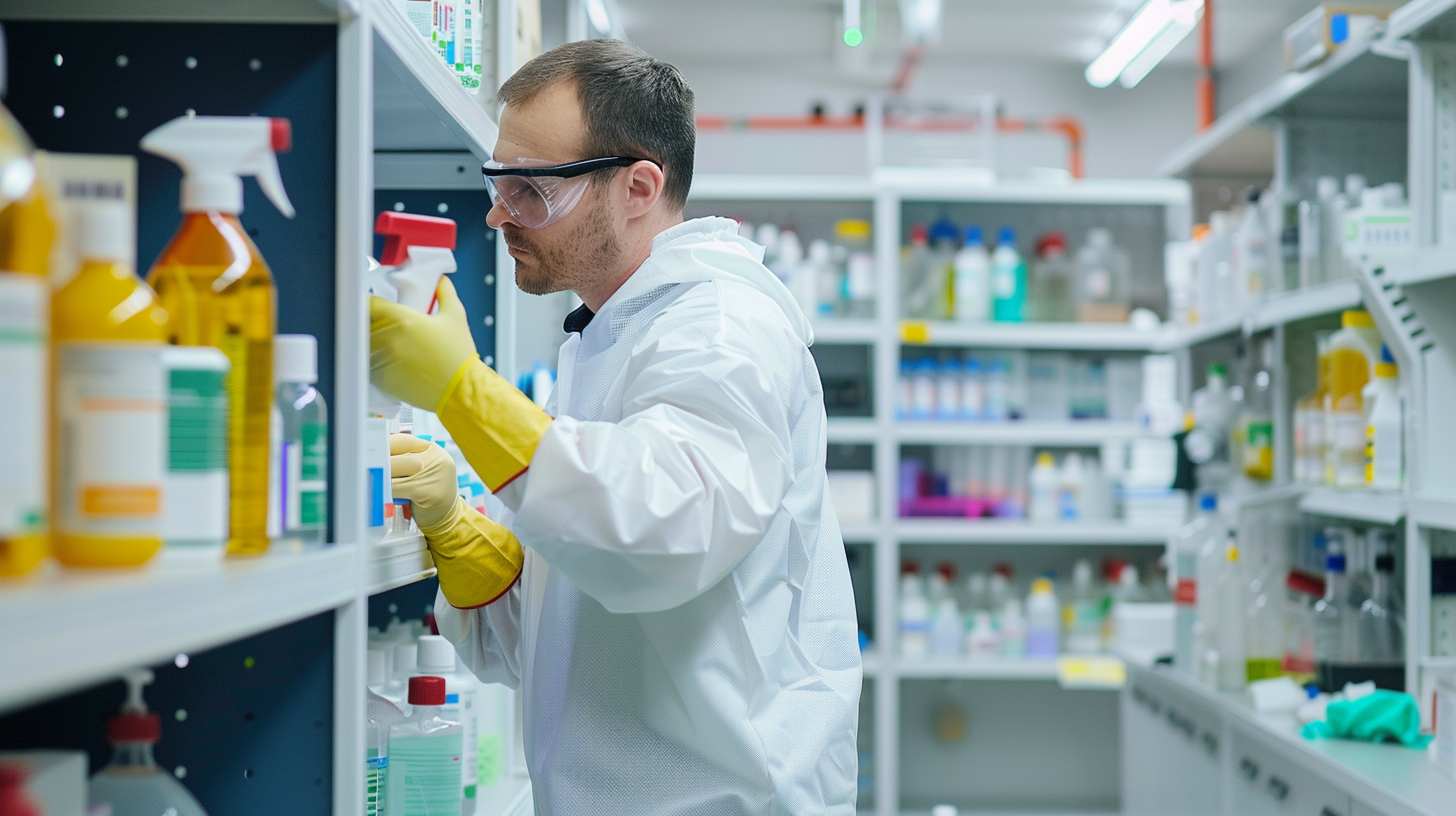
Accurate dilution and application methods are essential for both safety and effectiveness. Professional crews use closed-loop dilution systems or pre-measured product packs to prevent mistakes. They also use color-coded tools to avoid cross-contamination between different areas, such as restrooms and kitchens. All disinfection work must follow label directions for preparing solutions and applying products to ensure proper dilution rates and cleaning methods.
Site-specific standard operating procedures, or SOPs, are especially helpful in multi-tenant and high-traffic buildings. Service logs should be used to track the date, time, product used, and specific areas treated during each visit.
Quality assurance is maintained through regular inspections, corrective action reports, and trend analysis. Consistent documentation reduces your facility’s risk and makes it easier to prove compliance during an audit or tenant review. Insisting on these practices helps you set clear expectations and ensures your disinfection service creates a safer, healthier space.
Products and compliance: EPA-registered disinfectants and safety
Choosing the right products and following compliance guidelines are crucial for protecting your facility, your staff, and your building’s materials. Any commercial disinfectant cleaning service you hire must use EPA-registered disinfectants. They must also follow all label directions for dilution, dwell time, and approved surfaces.
EPA guidance and product selection
The EPA maintains multiple lists of registered disinfectant products that meet specific efficacy standards against different pathogens. When selecting a product, you should always review the label to confirm it is registered for the pathogens relevant to your facility’s needs and appropriate for the surfaces being treated. Using the wrong product or failing to follow label instructions can leave your facility exposed to unnecessary risk.
Safety, air quality, and documentation
A proper disinfection program also involves following OSHA requirements for personal protective equipment (PPE), ventilation, and hazard communication. Cleaning crews need access to Safety Data Sheets (SDS) for all chemicals, proper training, and safe usage protocols, especially in occupied spaces. To protect your building’s indoor air quality, choose low-odor, low-VOC products and ensure they are applied correctly to avoid overuse.
It is also important to test product compatibility with sensitive surfaces to prevent damage to floors, countertops, and equipment. You should document all products used, their application details, and any exceptions in your cleaning records. Partnering with a provider who follows these steps helps reduce liability and supports a healthier environment for everyone in your building.
Pricing drivers and how to compare commercial disinfection quotes
When you request quotes for commercial disinfectant cleaning services, you will likely see a wide range of prices. This variation exists because not all quotes cover the same scope of work. The key cost drivers are your facility’s total square footage, the frequency of service, and the density of high-touch points that need disinfection.
What influences price?
Labor is typically the largest cost factor, as the detailed work required for disinfecting shared areas and restrooms is time-intensive. The cost of materials and equipment, such as EPA-registered products or specialized tools like electrostatic sprayers, also impacts the final price. Additional services like fogging, daytime cleaning, or work in secure sites with special access requirements will usually increase the quote.
Comparing quotes with confidence
To accurately compare quotes from different commercial cleaning companies, you need to ensure each provider is bidding on the same set of services.
Make sure each quote clearly defines:
- The scope of all areas and surfaces to be treated
- The frequency of the service
- The types of products and methods that will be used
- The documentation and quality assurance commitments included
Be cautious of quotes with vague language, such as “sanitize all areas,” without a detailed checklist. A lack of information about dwell time or a verification process is another red flag. A strong, trustworthy quote defines the work, explains the methods, and provides clear proof of service that you can review.
Scheduling and frequency plans for offices, REITs, government
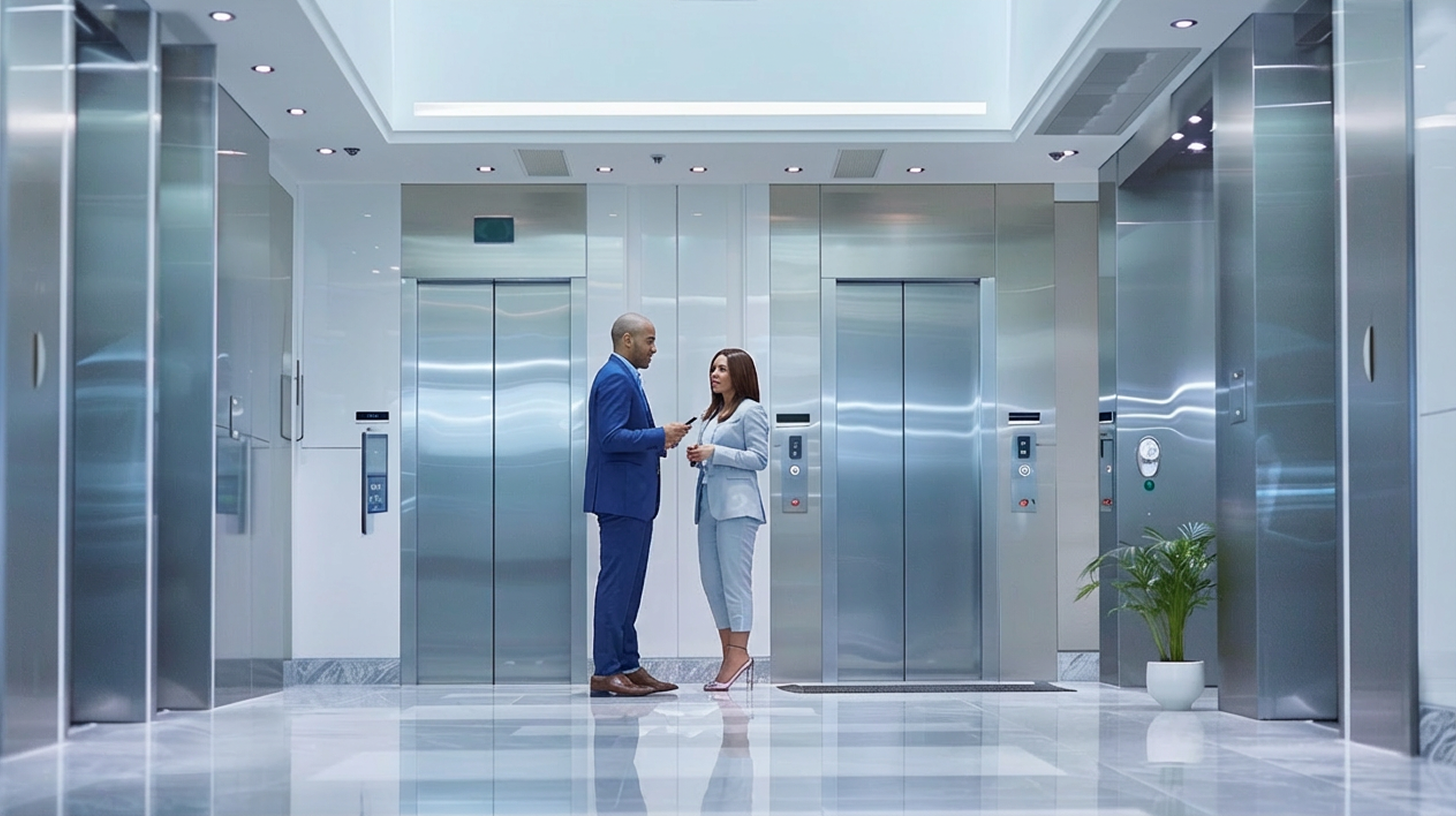
A well-designed scheduling plan is essential for reducing risk and protecting your facility’s operations. You should set the frequency of your disinfection services based on your building’s risk factors and traffic levels. Many offices benefit from daily service for high-touch points, while lower-traffic areas may only require periodic deep cleaning cycles.
Coordinating with tenants and adapting to occupancy
In multi-tenant buildings, it is important to coordinate with tenants to minimize disruption. Share cleaning schedules in advance and adjust service windows to accommodate tenant hours and security needs. You should also align the service cadence with seasonal illness spikes and any changes in building occupancy, such as return-to-office initiatives or large events.
Planning for government and secure environments
Government buildings and other secure facilities often have strict requirements for access, including limited service windows, mandatory escorts, and extra documentation. Your scheduling plan must account for these needs, and your provider’s team should have the necessary background checks and clearances. It is also wise to define clear triggers for rapid emergency response, such as outbreaks or audit findings.
When evaluating a provider, ask for a flexible plan that covers:
- Daily or periodic cleaning cycles based on risk
- Emergency after-hours mobilization for outbreaks
- Service routes that avoid tenant interruption
- Adjustments for changing occupancy or tenant needs
A reliable partner will work with you to create a plan that reduces preventable disruptions, supports compliance, and adapts to your building’s unique operational demands.
Vendor selection checklist for secure, multi-tenant facilities
Choosing a provider for commercial disinfectant cleaning services in a secure or multi-tenant facility requires careful evaluation. A basic quote is not enough to make a good decision. Use this checklist to assess potential partners and ensure they meet your facility’s standards.
- Training: Confirm that the staff understands disinfectant labels, proper use of personal protective equipment, and protocols to control cross-contamination.
- Security readiness: Verify that all on-site team members have passed background checks, can comply with badging requirements, and understand your site’s access protocols.
- Proof of process: Ask for written standard operating procedures, quality assurance inspection reports, documented performance metrics, and a clear escalation path for any issues.
- Sustainability: Inquire about the provider’s alignment with green cleaning principles, their approach to chemical minimization, and how they protect indoor air quality. A provider that holds the Green Seal GS-42 certification for commercial and institutional cleaning services has already met rigorous third-party requirements for sustainable purchasing, documented procedures, employee training, and environmental responsibility. GS-42 is a science-based standard that covers the full scope of how a cleaning service operates, not just the products it uses. Providers with this certification are also better positioned to help facilities pursuing LEED certification, since LEED references GS-42 compliance for cleaning operations.
- Operational basics: Check for adequate insurance coverage, sufficient staffing to cover absences, clear communication standards, and strong local references from similar facilities.
A provider that can confidently meet these criteria is better equipped to protect your facility’s operations, ensure tenant satisfaction, and maintain regulatory compliance. Reviewing each of these points will help you find a strong partner for your building’s needs.
Move from plan to execution with The Wilburn Company
A successful disinfection program is built on a foundation of scope clarity, correct sequencing, full product dwell time, and consistent documentation. These fundamental elements work together to create safer shared spaces and help prevent disruptions that can affect your tenants and staff. When you evaluate commercial disinfectant cleaning services, it is important to focus on compliance, quality assurance, security readiness, and a provider’s ability to deliver consistent results across all your properties.
The Wilburn Company is the only cleaning service provider in the mid-Atlantic region to combine GS-42 certified green cleaning with a proprietary Performance Measurement Management program. This combination delivers reliable and verifiable results across corporate offices, government facilities, and REIT portfolios.
Ready to move from planning to action? Contact The Wilburn Company to discuss your facility’s needs and get a tailored quote for secure, high-quality commercial cleaning services.
FAQs about commercial disinfectant cleaning services
What is included in commercial disinfectant cleaning services?
Commercial disinfectant cleaning services typically include the treatment of high-touch surfaces, comprehensive restroom care, and attention to shared spaces. These services use EPA-registered products and provide documentation for compliance and quality assurance.
Is there a difference between cleaning and disinfecting?
Yes, there is a key difference. Cleaning removes visible dirt and debris from a surface. Disinfecting uses approved chemical products to kill or inactivate pathogens after a surface has been cleaned. Both steps are necessary for effective infection risk reduction.
What is the average cost of commercial disinfectant cleaning services?
The average cost varies based on several factors, including square footage, service frequency, the number of touchpoints, and labor requirements. Building access restrictions and the overall scope of work also influence the price, with secure or after-hours services often costing more.
How often should a facility schedule commercial disinfectant cleaning services?
You should schedule disinfection services based on your facility’s traffic levels, occupancy, outbreak history, and tenant expectations. High-traffic areas may require daily attention, while other spaces might only need periodic deep cleaning or an event-based response.
What is the 20/10 rule for cleaning, and does it apply to commercial facilities?
The 20/10 rule is a personal productivity method created by Rachel Hoffman. The idea is simple: clean in focused 20-minute intervals, then take a 10-minute break before starting the next round. It was designed to help individuals manage household cleaning tasks without burnout. While it is a popular approach for personal use, it is not a recognized standard for commercial disinfectant cleaning. Professional cleaning programs should always follow established industry protocols, manufacturer guidelines, and regulatory compliance requirements rather than informal time-management techniques.